
Activist Style
Protest Fashion: Wearing a Message With Care
A practical guide to the history, choices, and follow-through that give protest fashion real staying power.

Protest fashion is clothing that carries a public point of view. It can be a shirt, hoodie, patch, button, tote, color, or handmade piece that helps someone recognize a shared concern. Sometimes the message is plain. Sometimes it is a symbol, a legal reference, or a design that asks a better question. What makes it protest fashion is not how loud it looks. It is the intention behind it and the care a person takes with the cause it represents.
That distinction matters. Clothing can make an idea more visible, but it cannot carry the whole weight of an issue. The most meaningful piece is not necessarily the boldest one. It is the one you understand, can wear honestly, and can connect to some form of follow-through. This guide looks at where protest fashion comes from, how to choose it with care, and how to let a message lead somewhere useful.
Protest fashion has always been about more than a look
People have used clothing to signal belonging, dissent, grief, solidarity, and hope for a very long time. A color can identify a movement. A button can turn a coat into a conversation. A handmade sign can become a garment after an event ends. The point is not that every item is revolutionary on its own. The point is that dress makes an idea visible in ordinary life, where someone may see it on the train, at the store, in class, or across a family table.
The history is not one neat timeline. Different communities have used clothing in different ways, often in response to immediate risks and local needs. The PBS history of protest fashion traces how dress can communicate resistance and belonging, while Teen Vogue’s overview shows how fashion and activism have continued to shape one another across generations. Those stories are a useful reminder that a slogan or symbol carries context. Before borrowing one, take time to learn what it has meant to the people closest to it.
That does not mean you need a degree in fashion history before you wear a message. It means curiosity is part of respect. If a phrase is new to you, read beyond the design. Find organizers, writers, or community groups whose work explains the issue. Clothing Justice’s resource library and Action Desk are two places to keep moving once a message has sparked your interest.
Start with a message you can explain
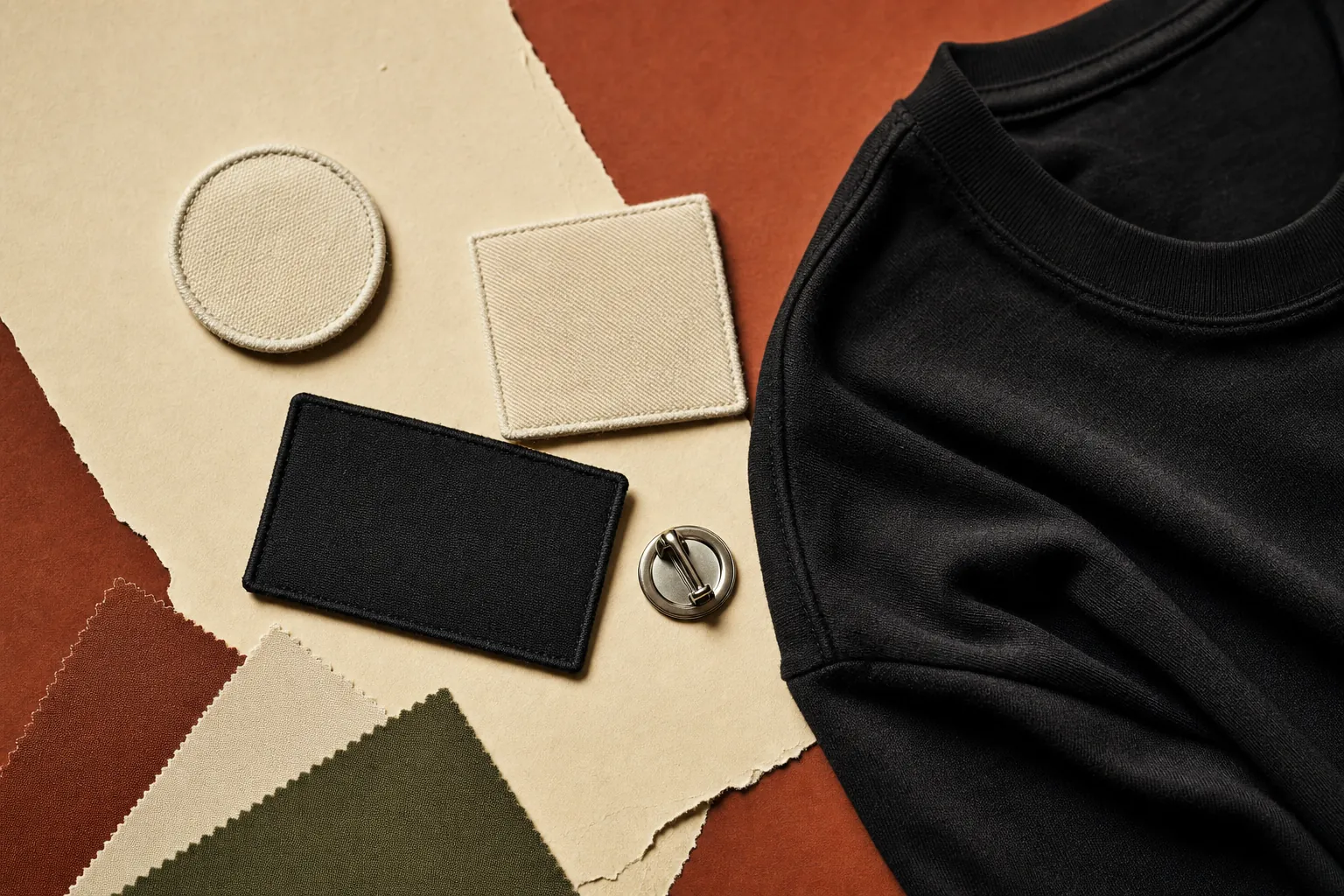
A good first question is simple: if someone asked why you were wearing this, could you answer in your own words? You do not need a speech. A short, honest answer is enough. You may care about fair treatment, public education, voting access, disability justice, due process, reproductive freedom, housing, or a concern in your own neighborhood. The closer the message is to something you have taken time to understand, the more naturally it will fit your life.
Specificity can help. Broad words such as justice, freedom, and equality carry real weight, but they can mean different things to different people. A design tied to a particular right, policy, experience, or question can create a more useful opening because people know what they are asking about. That does not mean every piece has to explain everything. It means the wearer should know where the conversation begins.
It is also worth thinking about who the message centers. Wearing a cause should not turn someone else’s experience into an accessory. Listen to people directly affected, use language they recognize, and be willing to change your mind when you learn more. The strongest expression of solidarity is not pretending to speak for everyone. It is making room to learn and choosing support that is actually helpful.
Learn before you borrow a symbol
Symbols can travel faster than their history. A phrase, color, hand sign, or image may have been created in a specific moment, tied to a particular community, or used by people facing consequences the wearer has never had to consider. That does not make the symbol off limits by default. It does mean that wearing it comes with a responsibility to understand its origin, current use, and possible meanings.
Start with sources that are close to the work. Read a local organization’s materials. Look for writers, artists, and organizers from the community affected. Notice whether the people doing the work use the same language that appears on the garment. If the answer is unclear, choose a message you can stand behind without borrowing someone else’s identity. Personal values, a clear civic principle, or a question you are honestly exploring can be a better place to begin than a slogan you cannot explain.
Keep the learning active. A design may introduce a subject, but it should not be the only thing you know about it. Save one resource you would feel comfortable sharing. Pay attention when people offer correction. And avoid treating a serious issue as a seasonal theme. That small amount of preparation makes a conversation more respectful and keeps the focus where it belongs.
Dress for the setting, not for a performance
Protest fashion does not require a uniform. A clear message on a T-shirt may feel right for a rally, a casual day out, a campus event, or a volunteer shift. At work, in a classroom, or around family, a smaller signal such as a pin, patch, or tote may feel more appropriate. The goal is not to water down what you believe. It is to choose a level of visibility that is safe, sustainable, and true to the moment.
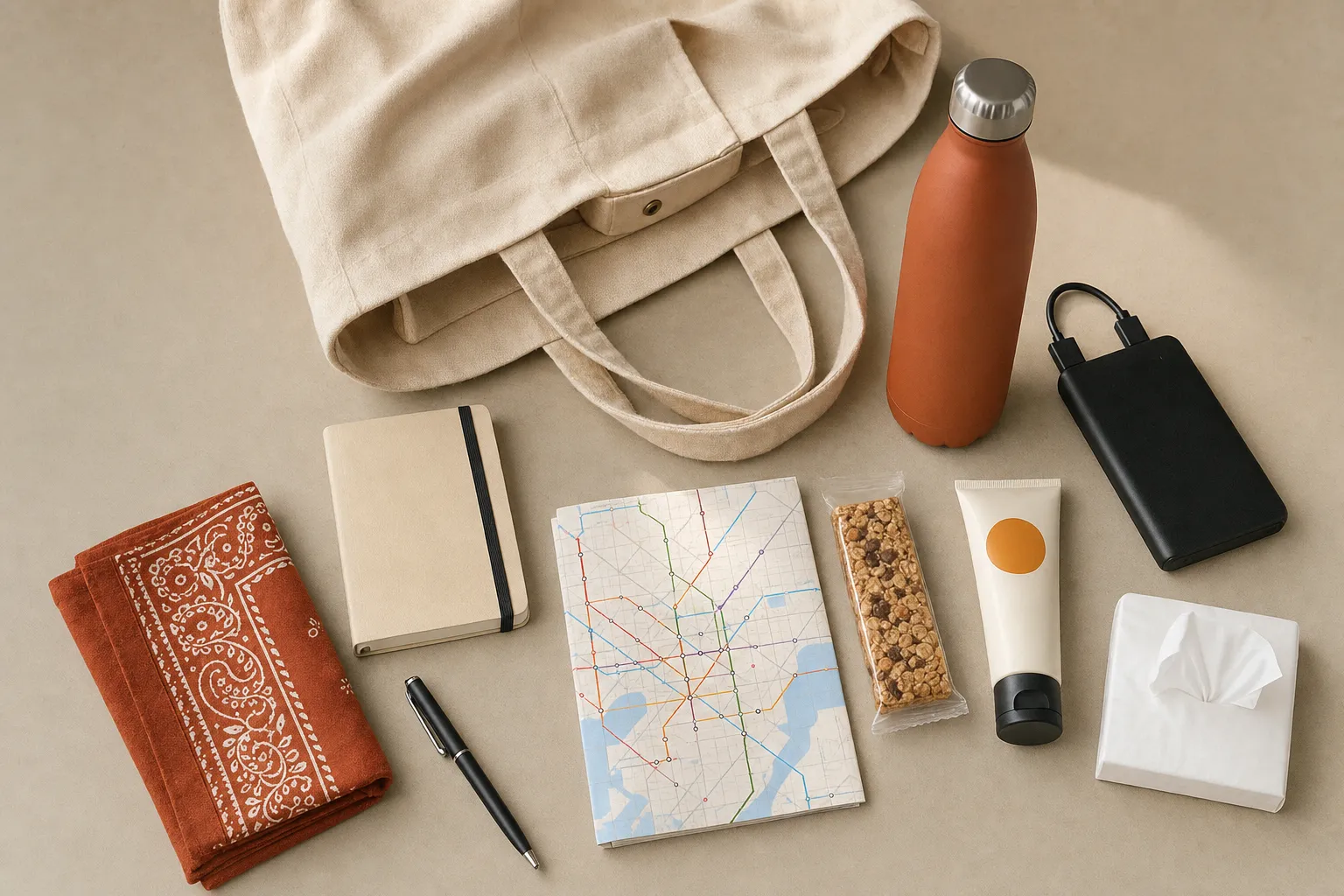
Comfort matters, too. If you are heading to an event, plan for the actual day rather than the photo. Use shoes you have worn before, bring water, check the weather, and carry only what you can keep track of. The Activist Outfit Guide walks through the practical details that help you stay present. A message is easier to carry well when the rest of the outfit lets you move, listen, and get home safely.
In the United States, clothing can be a form of expression. The National Archives’ Bill of Rights transcript includes the First Amendment’s protection for freedom of speech. That principle matters, but a particular setting may still have its own rules and risks. For a demonstration, the ACLU’s protest-rights guide is a useful starting point. People with a specific legal concern should seek qualified local advice.
Let visibility be an invitation, not proof
A message-driven piece can start a conversation, but it does not prove everything about the person wearing it. That is a relief. You do not need to be the most informed person in every room or accept every invitation to debate. It is okay to say, “I care about this, and I am still learning.” It is okay to set a boundary when a conversation is not respectful. And it is okay to direct someone toward a reliable resource instead of trying to answer a complicated question on the spot.
What matters is that the message does not become the finish line. Pair it with one action you can sustain. That may be reading a local report, checking an election date, sharing a credible resource, supporting a community group, attending a meeting, donating, volunteering, or listening more carefully to someone whose life is affected by the issue. Clothing Justice’s Rally of 1 is built around that idea: one person can make a real commitment without needing to perform for a crowd.
There is room for joy, humor, and personal style here. A design can be sharp, playful, serious, or quiet. The test is not whether it looks solemn enough. The test is whether it treats the issue and the people connected to it with respect. When it does, clothing can make a public value feel more present in everyday life without asking the garment to do more than it can.
Choose a piece that will stay in your life
The best protest fashion is often the piece that becomes part of a real wardrobe. Before you buy, picture when you will wear it. Does the color work with what you own? Is the message one you will still stand behind after the immediate news cycle moves on? Can you care for the garment in the way it needs? A shirt that gets worn for years may carry more meaning than something bought for one photo and forgotten.
Read the product details. Look at the material, fit, care guidance, and photos. Think about whether the design is readable without becoming a billboard. And be wary of urgency that has nothing to do with your needs. A limited release can be real, but it can also make a rushed decision feel more important than it is. Give yourself room to choose a piece you genuinely want to live with.
When comparing options, look beyond the slogan. The Activist Clothing Brands guide offers a practical checklist for evaluating message-driven apparel, from clear garment details to specific claims about what a purchase supports. You do not need a perfect scorecard. You need enough information to make a choice that fits your values, your budget, and your habits.
Give the message a life beyond the first wear
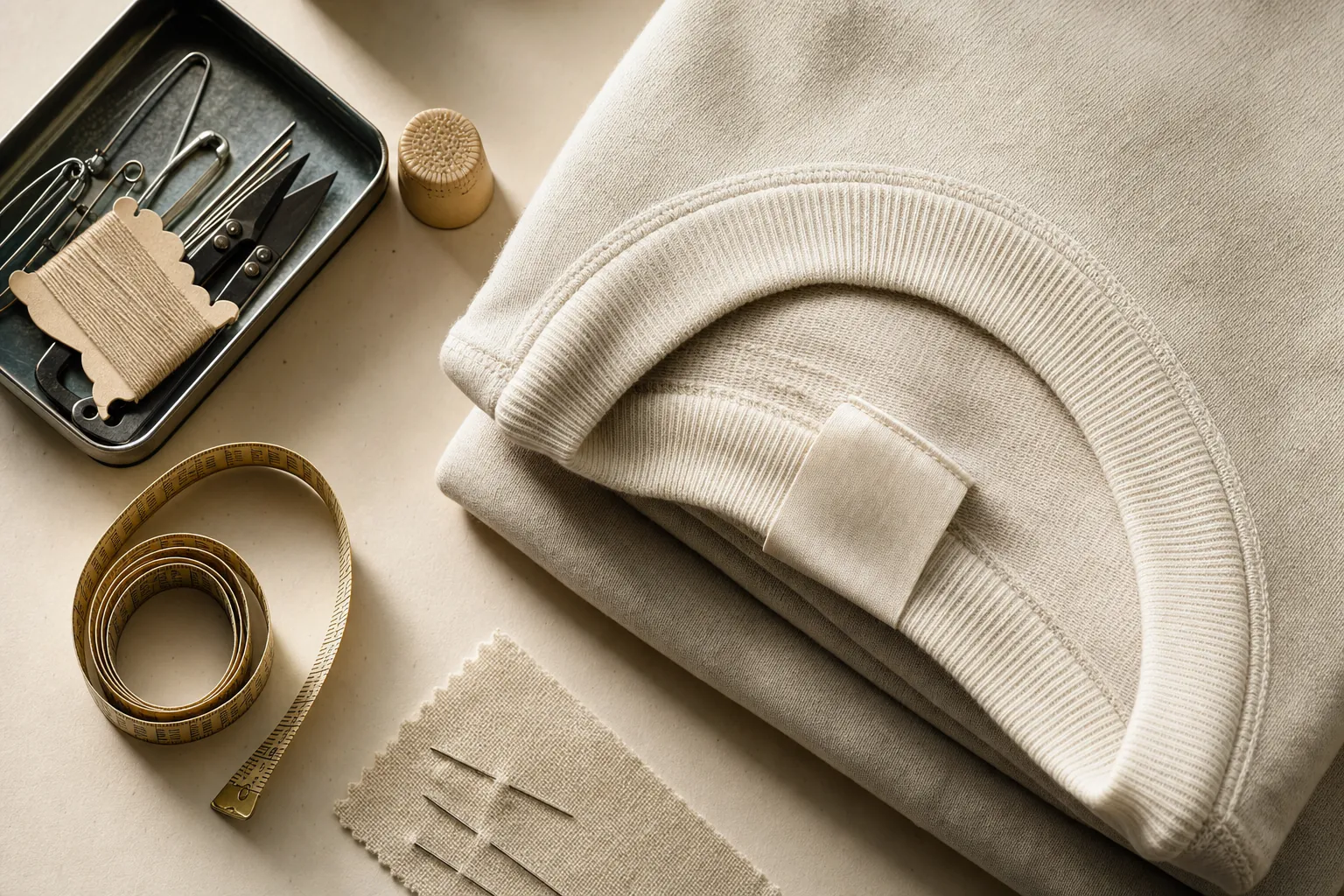
A piece of clothing does not need to last forever to matter, but it deserves more than one moment. Follow the care instructions, wash printed garments inside out when appropriate, and avoid treating the item as disposable once an event or news cycle has passed. If a piece no longer fits your life, consider repair, passing it along, or repurposing the fabric in a way that respects the message.
Think about the first five times you might wear it. Could it work under a jacket on an errand? At a school meeting? During a volunteer shift? Around friends who may ask about the design? That exercise keeps the decision grounded. It also makes it easier to choose the right garment rather than the loudest one. A message that lives in a real wardrobe has more chances to prompt a real conversation.
Buying thoughtfully also leaves space for other forms of support. You may choose one shirt and put the rest of your energy toward a local group, a recurring donation, a call to an elected representative, or time with your community. The clothing can be a reminder of that commitment. It does not need to be the whole commitment.
How Clothing Justice fits into the picture
Clothing Justice makes civic and legal-language apparel for people who want their daily style to carry conviction. The Activist Clothing collection brings together tees, hoodies, and personalizable pieces that make room for a message without reducing it to a trend. The Mens Rea collection takes a different route, using the legal idea that intent matters as the basis for its designs.
The clothing is only one part of the point. The brand pairs the collection with its mission, resources, and practical next steps, so a visitor who wants to go further has a place to begin. Choose what you can wear honestly. Learn the context. Then let the message remind you to keep showing up in the ways that are available to you.
A quick protest fashion checklist
Before you put on a message, pause for a quick check. Do you understand what it refers to? Can you explain why it matters to you? Does the setting feel right for the level of visibility you are choosing? Is the piece comfortable enough to wear in real life? And can you name one small action you want it to remind you to take?
If the answer is yes to most of those questions, you have a strong place to start. A thoughtful garment can be an opening, a reminder, or a sign that someone is not alone. The follow-through is what gives the message its staying power.
Frequently asked questions
What is protest fashion?
Protest fashion is clothing, accessories, colors, or symbols used to communicate a public point of view. It can make a cause more visible, signal solidarity, or start a conversation, but it is strongest when paired with learning and practical support.
Is wearing a political shirt performative?
It can become performative when the focus is only on attention or when someone uses another community’s experience as an accessory. A message-driven shirt can also be a respectful expression of values when the wearer understands the issue, listens to people closest to it, and treats the garment as one part of follow-through.
What should I wear to a protest or rally?
Choose clothes and shoes that are comfortable for the real conditions, add layers for the weather, and carry only what you can manage. A message shirt is optional. Check the organizer’s details, local guidance, and your own safety needs before you go.
How can clothing support a cause?
Clothing can make values visible, help people recognize a shared concern, and prompt a useful next step. It is not a substitute for the work itself. Pair the message with something concrete, such as learning from affected communities, sharing a reliable resource, volunteering, donating, voting, or participating locally.
Related posts

Activist Style
What Is Activist Clothing? A Guide to Wearing Your Values
A practical guide to choosing message-driven clothing, wearing it with care, and letting it lead to action.
Read the guide →
Activist Style
Activist Outfit Guide: What to Wear and Bring
A practical guide to putting together an activist outfit that is comfortable, considered, and ready for the day ahead.
Read the guide →
Activist Style
Activist Clothing Brands: What to Look For Before You Buy
A practical guide to choosing message-driven clothing that feels honest, wears well, and supports the values you want to carry.
Read the guide →