
Activist Style
Activist Outfit Guide: What to Wear and Bring
A practical guide to putting together an activist outfit that is comfortable, considered, and ready for the day ahead.

An activist outfit does not need to look like a uniform. The best one is usually the one that lets you be present: comfortable enough to stand, walk, listen, and get home safely, while still carrying a message you actually mean. It might be a graphic tee with jeans and sneakers, a hoodie layered under a weather-ready jacket, or a button, patch, or tote that opens a conversation without making the whole day about what you are wearing.
Start with the event, not the photo. A neighborhood meeting, a march, a volunteer shift, a rally, and a day of errands all ask different things of you. Check the organizer’s event details, the forecast, travel plan, accessibility information, and any rules for the venue. Then build from the ground up. This guide is about practical choices that keep your values visible without turning preparation into a costume.
Start with the message you want to carry
A good activist outfit begins with one clear idea. You may be speaking up for voting access, due process, immigrant dignity, education, labor rights, bodily autonomy, disability justice, public safety, or a local issue that affects your neighbors. The goal is not to prove you have mastered every detail. It is to choose a message you can explain honestly if someone asks.
That makes the piece more than decoration. A phrase, symbol, color, or legal reference can be an opening, but the conversation behind it matters more. Before wearing a message that is new to you, spend time with people and organizations closest to the issue. Read their guidance. Notice their language. Let their priorities shape the way you show up.
Clothing Justice’s Rally of 1 is built around this kind of everyday participation. You do not need a crowd or a perfect speech to take part. You need one message that feels true, one next step you can sustain, and enough humility to keep learning.

Build for comfort first
If you will be on your feet, comfortable shoes are not an afterthought. Choose a pair you have already worn for a full day, with support and traction that fit the conditions. New boots, stiff shoes, or anything that needs breaking in can turn a meaningful day into a painful one very quickly. Add socks that work with the shoe, especially if you expect heat, rain, or a long walk from transit.
Choose layers you can adjust. A breathable tee gives you the easiest place to carry a graphic or message. A zip hoodie, overshirt, or light jacket lets you add warmth without losing mobility. Avoid anything that pinches, drags, needs constant adjustment, or makes it hard to move through a crowd. You should be able to sit on a curb, lift a sign, take a bus, and walk several blocks without fighting your clothes.
Keep the fit familiar. This is not the moment to test a new silhouette, a delicate fabric, or a bag that only works for an hour. An outfit that feels like you helps you stay focused on the people around you and the reason you came.
Let the weather decide the second layer
Weather changes the job of an outfit. In heat, choose breathable fabric, a hat if it suits the setting, sunscreen, and enough water. In rain, bring a light waterproof layer that rolls into your bag instead of a bulky coat you will carry all day. In cold weather, think in layers: a base layer, a warm middle layer, and a shell that blocks wind or rain. The exact mix depends on where you are, so the forecast and the organizer’s local guidance should beat any universal packing list.
Protect your skin and eyes when you will be outside for hours. Shade, sunscreen, and a refillable water bottle are practical tools, not extra accessories. The Ready.gov emergency-kit guidance also treats water, basic first aid, and local information as sensible preparation. Scale that advice to the event. You do not need to haul a survival pack to every gathering, but it is wise to know what you will need if the day runs long.
A darker layer can feel grounded and versatile, while a bright accent, button, patch, or graphic tee can carry the message. There is no need to dress head to toe in symbols. One intentional piece usually reads more clearly than five competing ones.

Choose a bag that keeps your hands free
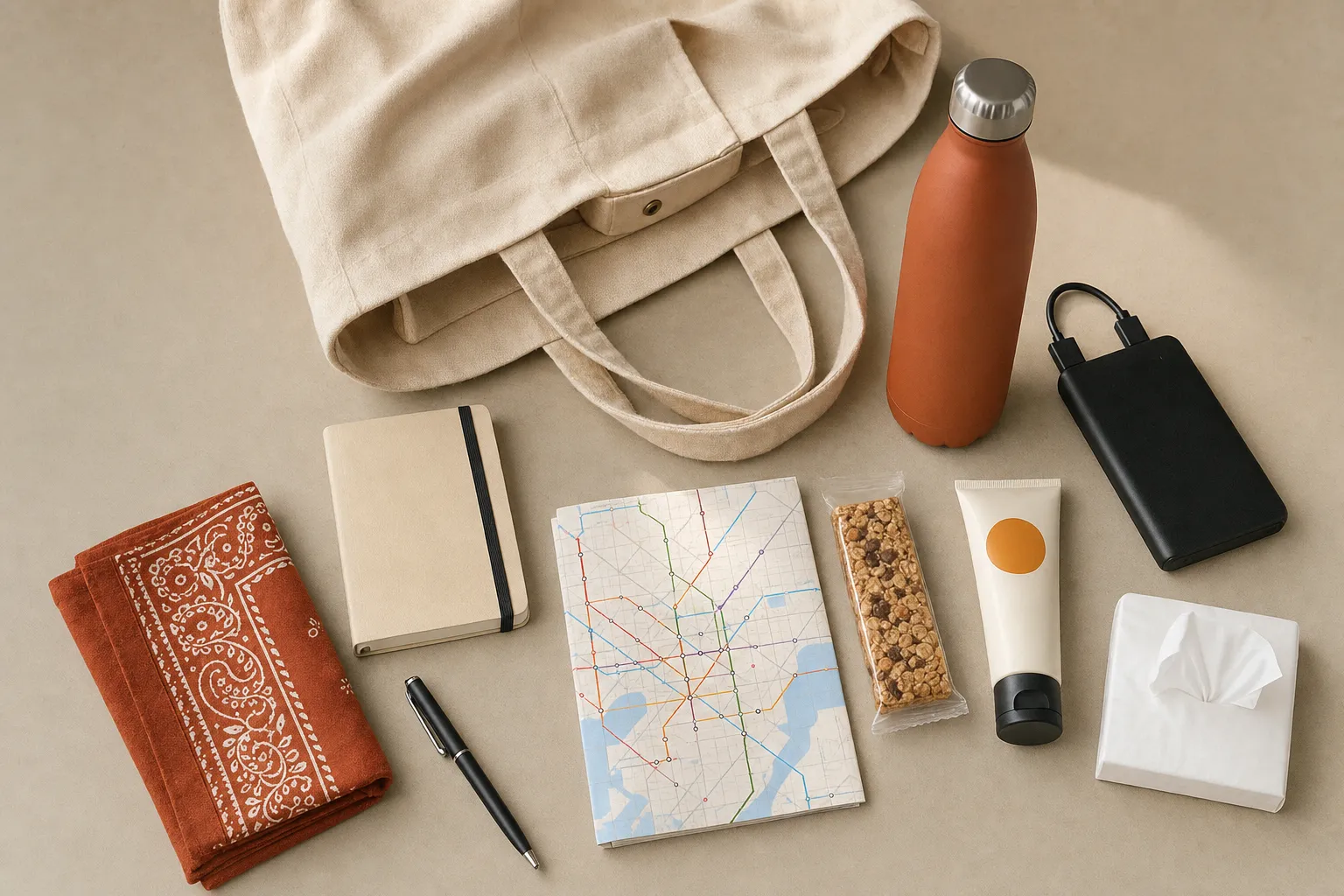
A small crossbody bag, secure backpack, or lightweight tote can make the day easier, but it should be something you can manage without fuss. Keep the weight low. Carrying too much affects your energy, and a loose bag can be awkward in a dense crowd or on public transit. Choose a closure you trust, and keep the items you need most within easy reach.
For many daytime events, a simple kit is enough: water, a snack, phone battery, identification if you need it, transit card or route details, any essential medication, sunscreen, and a small layer for changing weather. Add earplugs if crowds or amplified sound are hard on you. Bring only what you are prepared to keep track of, and leave valuables at home when you can.
Tell someone your plan before you leave. Share where you expect to be, how you are traveling, and when you plan to check in. If you are meeting friends, choose a clear reunion point in case phones die or the group gets separated. These small choices keep the day more manageable without taking attention away from the cause.
Plan around access, travel, and your own needs
Preparation is personal. Someone managing a chronic condition, disability, sensory sensitivity, childcare schedule, pregnancy, injury, or limited transit options may need a different plan from the friend standing beside them. That is normal. An activist outfit should support your participation, not pressure you to ignore what your body or responsibilities need.
Look for the practical details before you leave: where accessible entrances and restrooms are, whether there will be seating, how far the walk is from transit, and whether the route allows you to step out early. If the organizer has not shared that information, a quick message can save stress later. Consider charging your phone before departure, downloading a map for the area, and carrying any item you regularly rely on rather than assuming you can find it on the way.
Bring a friend when that makes the day easier. Agree on a meeting point that does not depend on phone service, and decide how long you each plan to stay. If you are going alone, choose a plan that still leaves you room to leave when you need to. Showing up for thirty focused minutes can be more sustainable than forcing yourself through an exhausting day.
There is also room to choose a different form of participation. You can wear the shirt while making signs at home, helping with a mutual-aid drive, attending a public meeting online, calling a local office, or talking with a neighbor. Clothing Justice’s Action Desk can help you find current organizer-led paths that suit your capacity. Participation is not a test of endurance.
Make a small exit plan before you arrive. Know which route home you will take, keep enough battery for it, and give yourself permission to leave when your energy runs low. A well-planned day makes it easier to keep participating over time. It also gives you more attention for the people, stories, and local work that brought everyone together.
Decide what kind of visibility feels right
There is no single correct volume for an activist outfit. A bold tee may feel right for a public rally. A small pin, tote, or legal-language design may feel more natural at work, school, or a family gathering. The question is not whether your outfit is loud enough. It is whether you are choosing a level of visibility that makes sense for your life, your safety, and the setting.
Be thoughtful about messages tied to experiences you do not share. Support does not require claiming another community’s story as your own. Wear a message because you are willing to listen, learn, and direct attention toward people doing the work. When someone asks a question you cannot answer, it is completely credible to say you are still learning and point them to a trusted resource.
Clothing can be protected expression in the United States, but rights and risks can depend on the situation. The National Archives’ Bill of Rights transcript includes the First Amendment’s protection for freedom of speech. For a demonstration, the ACLU’s guide to protesters’ rights is a better place to start than social-media rumor, and a specific legal concern deserves qualified local advice.
Make it useful after the event
The strongest piece is one you will wear again. A graphic tee can work under a jacket for errands. A hoodie can become a familiar layer for travel or a weekend walk. A tote can carry library books, groceries, or the materials for a neighborhood meeting. When the item fits your real life, the message has a chance to stay with you after the calendar moves on.
Think about care, too. Choose fabrics you are willing to wash, store, and keep in rotation. A shirt that lives at the bottom of a drawer is not doing much for your closet or your cause. Fewer pieces worn often tend to carry more meaning than a pile of novelty items bought for one moment.
If you are looking for a starting point, the Activist Clothing collection brings together graphic tees, hoodies, and personalizable pieces made for the daily rally. The Customizable Unified Court Tee is especially useful when you want the message to be your own rather than borrowed from a trend.
Pair the outfit with one real action
An outfit can start a conversation, but it does not need to carry the whole assignment. Pick one next step that belongs to the message. That might be reading the materials from the organizer, checking a local meeting date, contributing time or money, registering to vote, calling a representative, or bringing one more person to an event. Small follow-through gives the visible message some weight.
Clothing Justice keeps practical paths open through the Action Desk and the Rights & Resources library. Use those pages to move from a broad concern toward an organization, campaign, guide, or learning resource that fits the issue. The brand’s mission is simple: make the message visible, then make it easier to keep showing up.
Your activist outfit does not need to be perfect, expensive, or dramatic. It needs to help you arrive prepared, stay comfortable, and leave with your energy intact. Wear the part that feels honest. Carry what you need. Keep listening. Then take the next useful step when the day is over.
Frequently asked questions
What should I wear to a peaceful protest?
Wear comfortable shoes you have used before, clothing you can layer for the weather, and a message or symbol you understand. Check the organizer’s event information, the forecast, travel plan, and local guidance before you leave.
What should I bring in my bag to a rally?
For many daytime events, water, a snack, phone battery, essential medication, sunscreen, transit details, and a light weather layer are practical basics. Pack only what you can comfortably carry and keep track of.
Do I need to wear a slogan shirt to show support?
No. A slogan shirt is one option, not a requirement. A pin, patch, tote, color, or simply showing up prepared can be meaningful. Choose a level of visibility that fits the setting, your safety, and what feels honest to you.
How can I avoid making activist style performative?
Keep the focus on the cause rather than the outfit. Learn from people and organizations closest to the issue, do not claim experiences that are not yours, and pair the message with a concrete action such as volunteering, donating, voting, or sharing reliable local information.
Related posts

Activist Style
The Importance of Civic Participation in Your Community: 10 Ways to Make a Difference
Learn why civic participation matters and discover 10 practical ways to make a difference in your community, from volunteering to advocacy and everyday activism.
Read the guide →
Activist Style
How to Choose Your First Activist Shirt or Hoodie: Wear What You Believe
Looking for political T-shirts or activist clothing? Discover how to choose meaningful designs, explore causes you care about, and learn why your everyday voice matters.
Read the guide →
Activist Style
What Is Civil Disobedience? A Clear Guide
Understand civil disobedience, how it differs from protected protest, and how to approach civic action with care.
Read the guide →Activist Style
Activism Isn’t Just About What You Stand For. It’s About How You Stand for It.
A guide to handling disagreement, protecting your peace, keeping yourself safe, and remembering why you started in the first place.
Read the guide →
Activist Style
How to Make a Protest Sign That People Can Read
Choose a clear message, check your facts, and make a readable protest sign with simple materials and a practical plan.
Read the guide →
Activist Style
How to Become an Activist: Start Where You Are
Find a cause, listen to your community, and choose a first action you can keep doing. A practical guide to everyday activism.
Read the guide →
Activist Style
What Is Activist Clothing? A Guide to Wearing Your Values
A practical guide to choosing message-driven clothing, wearing it with care, and letting it lead to action.
Read the guide →
Activist Style
Activist Clothing Brands: What to Look For Before You Buy
A practical guide to choosing message-driven clothing that feels honest, wears well, and supports the values you want to carry.
Read the guide →
Activist Style
Protest Fashion: Wearing a Message With Care
A practical guide to the history, choices, and follow-through that give protest fashion real staying power.
Read the guide →
Activist Style
Political T-Shirts: Choose a Message You’ll Wear
A practical guide to choosing a political T-shirt with care, context, and a message that fits your everyday life.
Read the guide →
Activist Style
What to Bring to a Protest: A Practical Checklist
Make a thoughtful protest plan with a simple packing checklist, privacy preparation, and room to follow local organizer guidance.
Read the guide →