
Women’s health, safety & solidarity
You deserve to be heard.
And helped.
Your pain deserves care. Your privacy deserves respect. Your place here does not depend on how much you have, who you know, or what you have survived.

From the woman behind Clothing Justice
I know what it is to have support.
And to have nothing.
I am a woman. I have had children. I have survived abuse and cancer. I have lived through eviction and the impact of parental incarceration. I have been harmed by the CPS and court systems.
I have lived in the nicest places and the humblest. I have seen what connections can bring, and what happens when you have no one and nothing.
Those experiences are part of why Clothing Justice exists. I want women to be heard in the exam room, treated with dignity in the courtroom, and supported long after everyone assumes they should be okay.
You do not have to tell your story publicly to belong here. You do not have to buy anything. There is room for you, exactly where you are.
Maternal health
A mother is never just a statistic.
Safe care means listening when a woman says something is wrong.
In 2024, the U.S. maternal mortality rate was 17.9 deaths per 100,000 live births, representing 649 women. For non-Hispanic Black women, the rate was 44.8. These are people, families, and futures, not an acceptable cost of becoming a mother. CDC/NCHS, 2024 final data, published March 2026 ↗
That measure covers deaths related to pregnancy during pregnancy or within 42 days after it ends. It does not describe every death in the year after birth.
Care cannot stop at delivery.
Serious pregnancy-related problems can happen during pregnancy and up to a year after delivery. Seek immediate medical care for urgent warning signs such as trouble breathing, chest pain, a severe or worsening headache, heavy bleeding, or thoughts of harming yourself or your baby. This is not the full list. Read the CDC’s urgent maternal warning signs ↗
Tell the care team that you are pregnant or were pregnant within the past year. Our Hear Her guide helps you prepare questions, recognize warning signs, and speak up when you need care.
Keep the Hear Her guide close ↗Your health matters at every stage.
Care belongs in the conversation before pregnancy, after birth, and whether or not you have children. Ask a qualified clinician about reproductive health, cancer screening, pain, and follow-up care that fits your needs. Find a health center through HRSA ↗
Postpartum mental health
You deserve more than “you’ll be fine.”
Depression during pregnancy or after childbirth is treatable. Persistent sadness, anxiety, hopelessness, or difficulty functioning deserve attention. Symptoms that are severe or continue beyond two weeks after birth can be signs of postpartum depression. You can ask for help sooner.
Treatment may include therapy, medication, or both, guided by a qualified health professional. Hallucinations, delusions, or severe confusion after birth can signal postpartum psychosis, a medical emergency. Call 911 or go to an emergency department. NIMH: perinatal depression and getting help ↗
What we want better care to look like
Follow-up that includes mental health. Referrals women can actually use. Support with cost, transportation, and childcare. A plan that does not leave someone to manage everything alone.
Need someone to talk to today? HRSA’s maternal mental health counselors can listen and help connect you with support.
Domestic violence prevention
Safety is a right.
Abuse is never earned.
Abuse can include control, isolation, threats, financial restriction, sexual coercion, and physical violence. Recognize the warning signs with The Hotline ↗ You do not need to wait for physical injury to seek support. A trained advocate can help you think through options and a safety plan for your situation.
Leaving can be complicated and dangerous. You deserve support that respects your decisions. Contact the National Domestic Violence Hotline or explore its safety-planning tool when it is safe to do so. Browsing and calls can leave traces; this page cannot hide your activity.
Prevention starts with how we show up.
Respect consent and boundaries. Challenge controlling behavior. If someone shares abuse with you, listen without blame, ask what support they want, and respect their choices. Do not pressure them to leave or confront the person harming them. The Hotline: ways to support a survivor ↗
Privacy. Dignity. Solidarity.
I am Jane
Fucking Doe.
A name is not a debt someone owes the public. Standing with survivors means respecting privacy, listening without demanding details, and refusing to turn someone’s pain into entertainment.
You can stand beside someone without knowing every part of their story. You can be part of something bigger without giving up your boundaries.
Explore I Am Jane Doe ↗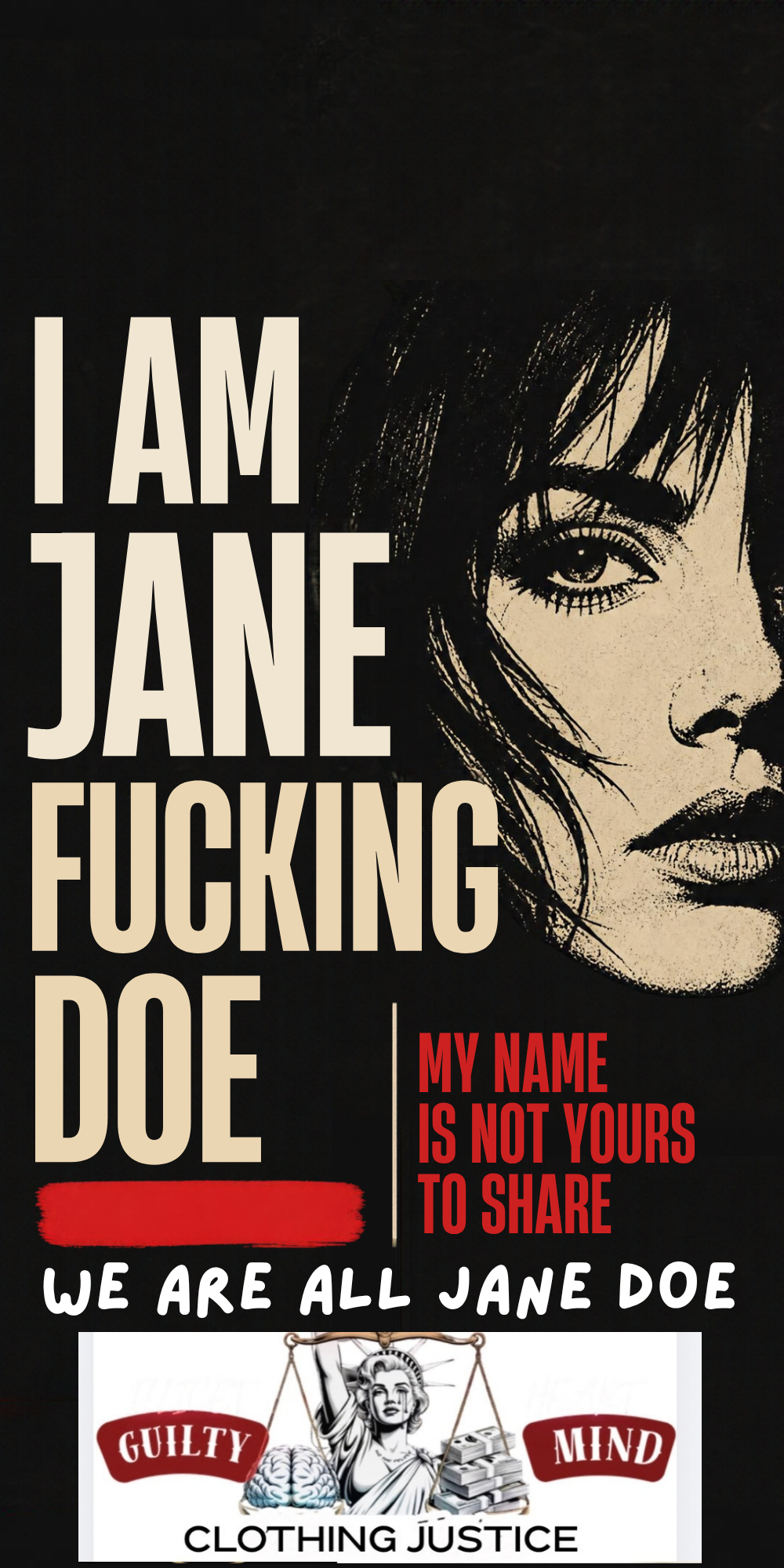
Your Rally of 1
Make support something we do.
Share the Hear Her guide. Offer a ride or a meal when it is welcome. Help someone prepare questions for an appointment. Stand up for accessible care and survivor privacy.
If courts, housing, or family systems are part of what you are facing, start with our legal resources directory. For a small, visible act of solidarity, choose a free mission badge or meet the Rally of 1.
Being heard matters. Having someone show up matters, too.
Wear what matters
Carry the conversation.
For those who want to wear the message. Every guide and support link above is free to use, with no purchase required.


Clothing Justice offers education and solidarity, not medical care, legal representation, or emergency services. Health information and U.S. support contacts reviewed October 22, 2026.