
Activist Style
What to Bring to a Protest: A Practical Checklist
Make a thoughtful protest plan with a simple packing checklist, privacy preparation, and room to follow local organizer guidance.

A protest packing list should make it easier to stay present, not turn a few hours outside into a survival contest. Start with the organizer’s current details, the weather, the route, your health needs, and how you plan to get home. Then pack only what serves that plan. A small, manageable bag is usually more useful than a bag full of things you will not use.
This is a general U.S. preparation guide, not legal or medical advice. Rules, risks, accessibility, and event instructions can change from one place to another. Read the organizer’s own update before leaving, follow lawful instructions, and choose a level of participation that fits your capacity.
Start with the event details, not the bag
Confirm the host, meeting point, start and end time, route if one is published, and the organizer’s current instructions. Save the event page or write down the key details. A reposted graphic can be old, incomplete, or posted without the group’s permission. If the event involves a public building, park, transit system, or private venue, check the relevant rules as well.
Tell one trusted person where you expect to be and when you plan to check in. If you are meeting friends, choose a clear reunion point that does not depend on everyone’s phone battery. Make a transit plan, including the last train or bus you can reasonably catch, or the address where a ride will pick you up. A plan to leave early is still a plan.
The ACLU’s current protest-rights guide explains that speech and assembly protections are strongest in traditional public forums such as streets, sidewalks, and parks, while details can vary by location and event. Use it as a starting point, then check local and organizer guidance for the day itself.

The simple essentials checklist
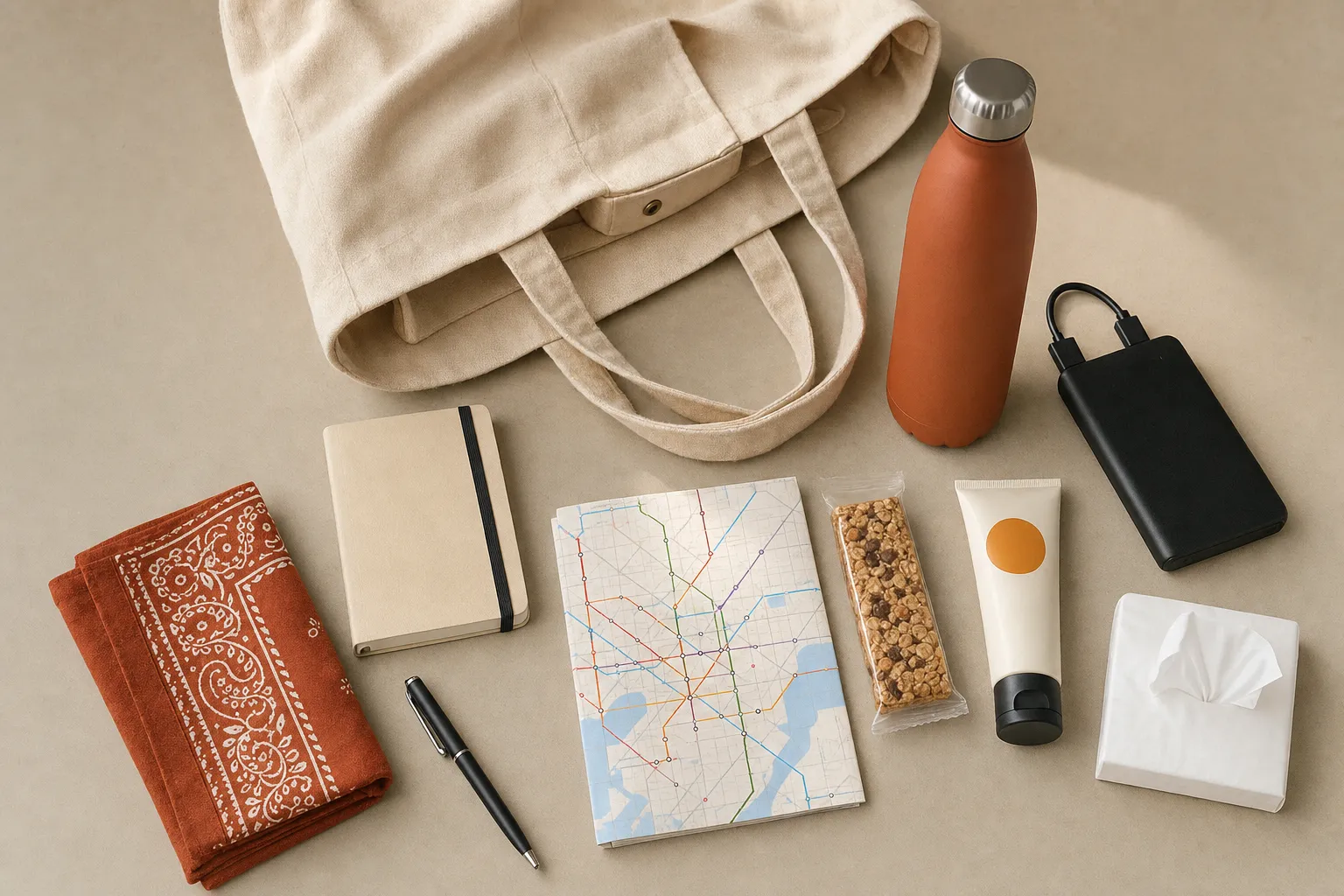
Pack for the actual length and conditions of the event. Most people do not need every item below. Choose what you can carry comfortably and what addresses a real need.
- Water and a small snack: Bring what you need for the time, weather, and your own health needs. In hot weather, plan breaks and shade rather than trying to push through discomfort.
- Any necessary medication: Keep essential medication in its original container when that is practical, and bring what you need for the day rather than a larger supply.
- Weather protection: A light layer, rain protection, sun protection, or a hat can make an outdoor event much more manageable. The federal Ready.gov heat guidance is a useful reminder to take heat seriously and seek urgent help for signs of heat stroke.
- Phone, charging cable, and backup battery: Keep them accessible, but do not let a device replace a meeting point or travel plan.
- Identification, payment, and transit details: Carry only what you need. Think through how you will get home if an event ends earlier or later than expected.
- Accessibility and comfort items: This may include a mask, ear protection, mobility aid, menstrual products, or a seating plan. Your needs belong in the plan, not at the bottom of it.
Skip glass containers, loose valuables, and anything the venue or organizer has said not to bring. Do not bring an item because a generic checklist says it is essential. The practical question is simpler: will this help you participate safely and get home?
Wear for movement, weather, and your own comfort
Choose shoes you have already worn for walking. Build around layers you can add or remove without creating another thing to carry. A message shirt can be part of the day, but it is optional. The point is to be able to move, listen, rest, and leave when you choose, not to dress for a photograph.
If you carry a sign, keep the message short enough to read at a glance and check the organizer’s current rules before adding a handle. Our protest-sign guide can help you shape a clear, factual message. For a fuller clothing and bag plan, use the Activist Outfit Guide.

Make a small privacy plan before you go
Think about what your phone, photos, and posts reveal about you and other people. The Electronic Frontier Foundation’s Attending a Protest guide explains that digital privacy needs differ by person and event. It recommends making a plan that accounts for both surveillance around an event and the information stored on a device.
Before you leave, update your phone, use a strong passcode, and decide what information you really need to carry. Consider whether you need face or fingerprint unlock active. If you photograph or post, ask before sharing identifiable people, especially faces, tattoos, children, or private moments. A sign against a plain background can often tell the story without exposing someone else.
Do not assume a phone setting, app, or packing item makes an event risk-free. Privacy and safety depend on the situation, the people involved, and choices made in real time. If you have a specific legal, employment, immigration, medical, or safety concern, seek guidance from a qualified local professional or a trusted organization that understands the facts.
Know what to do if plans change
Keep your attention on the organizer’s instructions and what is happening around you. If you are separated from your group, go to the reunion point or follow your individual exit plan. If you need a break, take one. Leaving is not a failure, and you do not need to prove commitment by staying past your capacity.
The ACLU advises people who are stopped by police to remain calm, ask whether they are free to leave, and not physically resist. Their guide also covers what to do if an order to disperse is issued. Read the current guidance before an event rather than relying on a social-media summary, and remember that general guidance cannot answer every local question.
If you witness an injury or urgent medical situation, get help from trained personnel or call emergency services when appropriate. Do not take on a medical role you are not trained to perform. Keep your own needs visible too: heat, hunger, pain, panic, and fatigue are all reasons to pause, seek support, or head home.
A protest packing list that leaves room to listen
A well-packed bag is only one part of showing up. The most useful preparation is listening to the people and groups closest to the issue, following their instructions, and choosing a role you can sustain. Clothing Justice’s Rally of 1 is built around that idea: one considered action can count, whether it is attending, volunteering, learning, donating, or supporting someone else’s work.
When you are ready, lay out what you need the night before: water, essential medication, weather layer, charged phone, transit plan, and one way to check in. Then leave room to adapt. A simple plan helps you arrive prepared without pretending you can control every part of the day.
Frequently asked questions
What should I bring to a protest?
Start with the organizer’s current instructions, then pack only what fits the event and your needs: water, essential medication, weather protection, phone power, transit details, and accessibility or comfort items. Keep the bag light enough to carry comfortably.
What should I wear to a peaceful protest?
Wear comfortable shoes you have used before and layers that suit the weather. A message shirt is optional. Choose clothing that lets you move, rest, and get home comfortably, then follow any current organizer or venue guidance.
How can I prepare my phone before a protest?
Use a strong passcode, update the device, and think about what information you need to carry. Consider the privacy of people who may appear in your photos. Digital privacy needs vary by person and event, so review current guidance from a trusted source for your situation.
What should I do if I need to leave a protest early?
Use the travel plan and check-in plan you made before arriving. Meet your group at an agreed point if needed, take a break when you need one, and leave when your health, safety, or responsibilities call for it. Leaving early does not make your participation less meaningful.
Related posts

Activist Style
The Importance of Civic Participation in Your Community: 10 Ways to Make a Difference
Learn why civic participation matters and discover 10 practical ways to make a difference in your community, from volunteering to advocacy and everyday activism.
Read the guide →
Activist Style
How to Choose Your First Activist Shirt or Hoodie: Wear What You Believe
Looking for political T-shirts or activist clothing? Discover how to choose meaningful designs, explore causes you care about, and learn why your everyday voice matters.
Read the guide →
Activist Style
What Is Civil Disobedience? A Clear Guide
Understand civil disobedience, how it differs from protected protest, and how to approach civic action with care.
Read the guide →
Activist Style
Activism Isn’t Just About What You Stand For. It’s About How You Stand for It.
A guide to handling disagreement, protecting your peace, keeping yourself safe, and remembering why you started in the first place.
Read the guide →
Activist Style
How to Make a Protest Sign That People Can Read
Choose a clear message, check your facts, and make a readable protest sign with simple materials and a practical plan.
Read the guide →Activist Style
How to Become an Activist: Start Where You Are
Find a cause, listen to your community, and choose a first action you can keep doing. A practical guide to everyday activism.
Read the guide →
Activist Style
What Is Activist Clothing? A Guide to Wearing Your Values
A practical guide to choosing message-driven clothing, wearing it with care, and letting it lead to action.
Read the guide →Activist Style
Activist Outfit Guide: What to Wear and Bring
A practical guide to putting together an activist outfit that is comfortable, considered, and ready for the day ahead.
Read the guide →
Activist Style
Activist Clothing Brands: What to Look For Before You Buy
A practical guide to choosing message-driven clothing that feels honest, wears well, and supports the values you want to carry.
Read the guide →
Activist Style
Protest Fashion: Wearing a Message With Care
A practical guide to the history, choices, and follow-through that give protest fashion real staying power.
Read the guide →
Activist Style
Political T-Shirts: Choose a Message You’ll Wear
A practical guide to choosing a political T-shirt with care, context, and a message that fits your everyday life.
Read the guide →