
Activist Style
Activist Clothing Brands: What to Look For Before You Buy
A practical guide to choosing message-driven clothing that feels honest, wears well, and supports the values you want to carry.

Choosing among activist clothing brands can feel harder than choosing an ordinary shirt. You are not only looking at color, fit, and price. You are deciding whether a message feels true, whether the people behind it seem worth supporting, and whether the item will have a life beyond one headline or one event.
There is no perfect checklist that can make that decision for you. Causes are different, budgets are real, and people have different reasons for wearing a message in public. A useful approach is simpler: start with the message, look for specifics instead of vague promises, choose something you will genuinely wear, and give the purchase a next step beyond the checkout page.
This guide is for people who want activist clothing to be more than a trend. It is not about proving who cares the most. It is about buying with enough attention that a shirt, hoodie, or tote can become a durable part of how you show up.
Start with the cause, not the logo
The best place to begin is the issue that has your attention. You may care about public education, voting access, due process, disability justice, reproductive freedom, immigrant dignity, labor, housing, or something unfolding close to home. A brand does not need to cover every cause for it to be useful. It does need to be clear about the messages it puts into the world.
Ask yourself whether you could explain the design in a few plain sentences. What does it mean? Who is most affected by the issue? What do you want the item to invite, a conversation, solidarity, a reminder to act, or simply a visible statement of care? If the message feels borrowed, rushed, or too broad to stand behind, keep looking. You do not need an expert-level speech. You do need a connection that feels honest.
That is why a distinctive point of view matters more than a giant catalog. Some activist clothing brands focus on one community, some build around a specific policy issue, and others use art or humor to open a door. Look for a message you would still be glad to wear on an ordinary day, not only when a topic is getting attention online.
Clothing Justice approaches that choice through the Rally of 1: make one conviction visible, then carry it into the everyday. The message can be direct or subtle. The question is whether it gives you a meaningful place to begin.

Look for real details behind broad claims
Words such as ethical, sustainable, conscious, responsible, and community-minded can be useful, but they are not explanations by themselves. A brand earns more trust when it gives you something concrete to understand: what the item is made from, how it is printed, where it is produced, how it handles shipping or returns, what a partnership actually supports, or what the brand is willing to say about its limits.
Specificity is especially important when an environmental claim is part of the purchase. Broad phrases can mean very different things from one seller to the next. A helpful claim gives you enough context to understand what it refers to instead of asking you to fill in the blanks. That may be a material detail, a printing detail, a production note, or a plainly stated limitation.
Read a brand’s product description and its supporting pages together. If a shirt says it is made from organic cotton, recycled content, water-based ink, or a particular blend, see whether the page explains the claim rather than only repeating a label. If the brand talks about donating, look for the name of the organization, campaign, or kind of work being supported. If it describes a community, see whether the relationship has enough detail to feel respectful rather than decorative.
It is also fair to notice what a brand does not claim. A small company may not have a long impact report, a formal certification, or a polished supply-chain page. Honesty about that is more useful than an oversized promise. You are looking for clarity, not a performance of perfection.
Check whether the message centers people with care
Activist clothing can bring a cause into everyday life, but it should not turn someone else’s experience into an accessory. Before buying, take a moment to ask whose story the design is drawing from and how it treats that story. Is the message connected to the people most affected by the issue? Does it reduce a complicated reality to a punchline? Does it make room for the community’s own language and leadership?
There is room for boldness, anger, humor, and art. The point is not to make every shirt solemn. The point is to avoid buying a message that asks people to admire the wearer while forgetting the people the issue is about. A strong design can still be playful or sharp when it has a clear point of view and does not use a cause as a costume.
When you are buying in support of a community you are not part of, listening is a useful first step. Follow organizers, writers, local groups, or advocacy organizations who work closest to the issue. Notice the language they use. Let that inform what you wear and how you talk about it. The goal is not to become the spokesperson. It is to show solidarity in a way that leaves room for others to lead.
For civic and rights-related questions, Clothing Justice’s Rights & Resources library and Action Desk can help you move beyond a broad message toward credible information and organizer-led work.
Buy for real life, not one photo
A piece of activist clothing has more staying power when it fits the life you already have. Think about where you would actually wear it: a community meeting, class, errands, a volunteer shift, a weekend with friends, a march, or a day at home. A shirt that works with your usual layers and shoes is more likely to become part of your rotation than one that only makes sense in a staged picture.
Fit is part of that decision. Check the size information before assuming a familiar label will fit the same way. Look for details about cut, fabric weight, stretch, and length where they are available. Consider whether you like a closer fit, a relaxed layer, an oversized tee, or a hoodie you can wear under a jacket. If you plan to share the item, a gift card can sometimes be more useful than guessing someone else’s size or message.
Price deserves an honest look, too. A higher price is not automatic proof that a piece is better, and a low price does not automatically make a purchase thoughtless. Compare what you are getting: fabric, construction, printing, originality, the clarity of the message, and whether you will wear it often. One shirt you reach for repeatedly can be a better choice than several impulse buys that sit unworn.
The Activist Outfit Guide is a useful companion when you are deciding how a message-driven piece fits into a day out. It focuses on comfort, weather, access, and the practical details that let you put your attention where it belongs.
Match the scale of the purchase to your budget
A considered purchase does not have to be a big purchase. It may be one shirt you save for, a basic tee you know you will wear every week, or a small accessory that starts a conversation without stretching your budget. It can also be deciding not to buy anything yet. The point is not to turn values into a spending contest.
Set the price aside for a moment and ask what you want the item to do. Do you want a regular layer that will get real use? A gift for someone who already cares about the issue? A personalizable piece for a local event? A design that makes it easier to bring up a topic with friends? Once you know the job, it is easier to see whether the purchase makes sense.
Be wary of urgency that has nothing to do with your needs. A limited drop can be genuinely limited, but it can also make a rushed decision feel more important than it is. Give yourself room to read the details, check the return policy, and think about whether the piece works with what you already own. A message does not become less meaningful because you slept on it.
When you are shopping for someone else, do not assume a slogan that speaks to you will fit their life. Consider their style, their public comfort level, and whether they would rather choose for themselves. Clothing Justice’s digital gift card gives the recipient that room while still keeping the gift connected to the brand’s work.
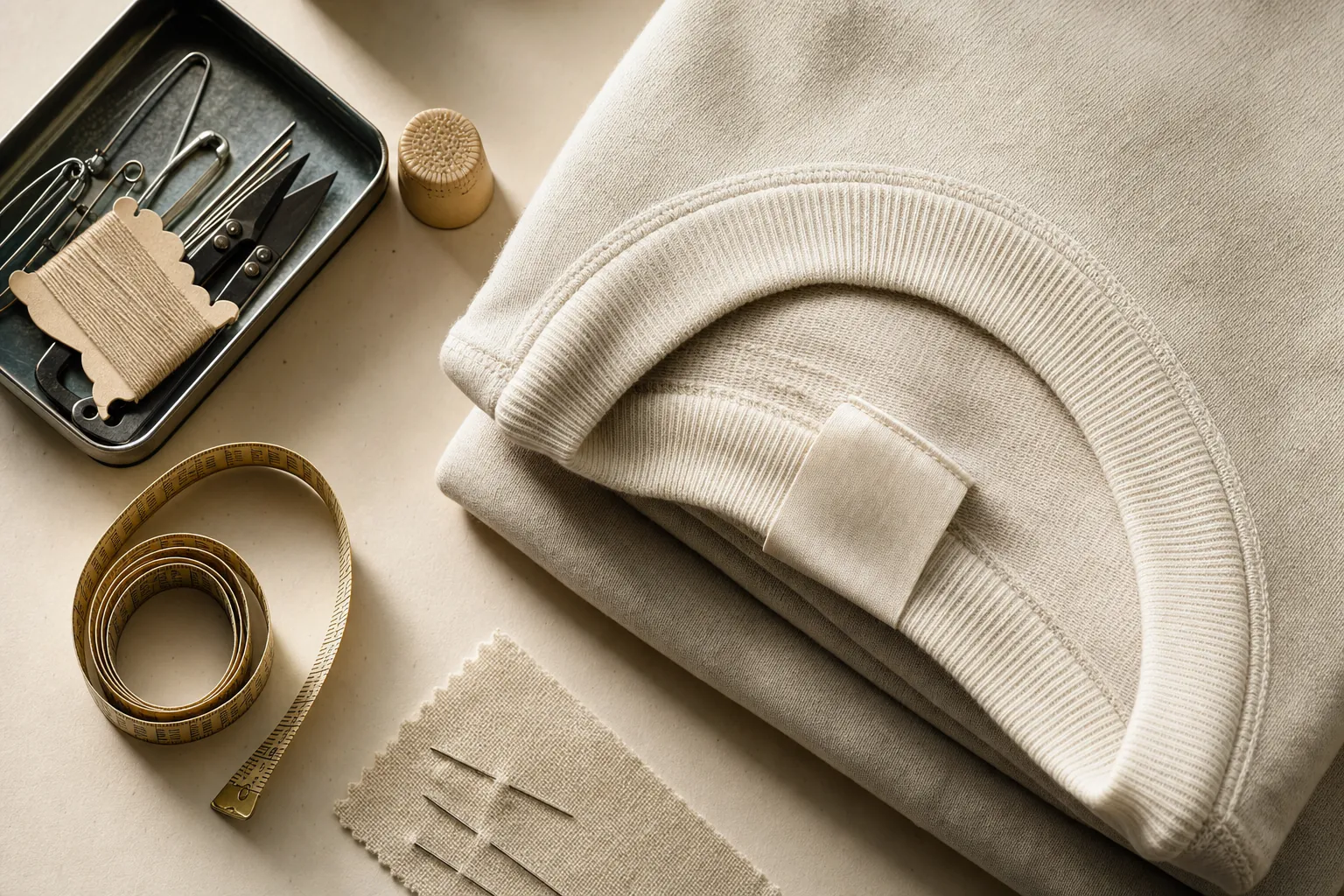
Read the garment details before you commit
Good clothing has to work as clothing. Before you buy, take a closer look at the material description, care guidance, and photos. A clear product page should make it easier to understand what you are choosing, not leave you guessing. Look for fabric content, how the item is meant to fit, whether it is printed or embroidered, and any information that changes how you will care for it.
Care instructions are practical, not boring. They help you choose something you can keep in good condition. If you know you will not hand-wash a delicate piece or baby a special finish, buy for the laundry habits you actually have. A durable purchase starts with being realistic about your routine.
Photos can tell you a little, but not everything. Look for close views when available. Notice whether a print appears intentionally placed, whether seams and collars look substantial, and whether the garment is being shown from more than one angle. A blank backdrop is fine. What matters is whether the presentation lets you judge the item rather than hiding it behind mood or hype.
When the design matters to you, give it the same attention as the message. Would you wear it after the immediate moment has passed? Does the graphic feel readable without feeling like a billboard? Does the color work with your closet? Those questions are not shallow. A message that gets worn is more likely to be seen, discussed, and remembered.
Compare choices without chasing a perfect score
It is easy to turn a purchase into a test with no passing grade. One brand may be clearer about materials. Another may have a message that speaks to you more directly. A third may fit your budget or offer a cut you know you will wear. Those tradeoffs are normal. The goal is not to find a label that can carry every value at once. It is to make a choice you can explain to yourself without pretending it solves more than it does.
A quick side-by-side comparison can help. Open the product pages for the pieces you are considering and look at the same things each time: the exact message, the garment details, the price, the return policy, the brand’s supporting information, and whether the item works in your own wardrobe. Keep the comparison practical. A list of questions is more useful than a pile of tabs that all say the same vague thing.
Notice how a brand handles uncertainty. Does it say when a product is made to order? Does it explain when you can expect it to arrive? Does it make it clear when a design is personalizable or when colors may vary? Straight answers around ordinary shopping details are a small but meaningful sign of respect for the customer. You should not have to hunt for the basics.
It also helps to separate a brand’s creative voice from the cause itself. You may love a particular illustration, phrase, or legal reference without needing to treat the company as the final authority on an issue. Let the clothing introduce an idea, then keep learning from the people and organizations closest to the work. That keeps a purchase in proportion and gives the message room to mean more than a trend.
Plan for the life of the piece after checkout
Before you buy, picture the first five times you might wear the item. Could it go under a jacket for errands? Would it work at a local meeting or a casual gathering? Can you wash it without special planning? Would you lend it to someone, pack it for a trip, or reach for it on a day when you need a little courage to speak up? This small exercise is a better test of value than imagining a single perfect outfit.
Think about how you will care for the garment, too. Washing inside out, following the label, and avoiding unnecessary high heat can help printed apparel stay in rotation longer. But the best care plan is one you will actually follow. Choose the piece that fits your habits, whether that means a dependable cotton tee, a heavier hoodie for colder months, or a bag that earns its place on ordinary errands.
When an item finally stops fitting your life, consider whether it can be repaired, passed along, or reused in a way that honors the message. Not every piece will last forever, and that is not the standard. The point is to keep the purchase from becoming disposable the minute the conversation moves on. A message with staying power often begins with a garment you were willing to make part of your real life.
Know the difference between visibility and follow-through
Wearing a message can matter. It can signal solidarity, make a conversation feel less lonely, or give someone a way to recognize a shared concern. But the shirt is not a substitute for the people, organizations, and practical work connected to the issue. Treating it as one part of participation takes pressure off the garment and puts attention back where it can do more good.
Build a small next step around the message. A civic design can remind you to check a local election date or read a public meeting agenda. A legal reference can prompt you to save a rights resource before you need it. A piece about education can lead you to listen to students, families, or teachers working on the ground. The action does not need to be public to count. It only needs to be real enough that you can sustain it.
You also do not have to accept every invitation to debate. A graphic can open a conversation, but you are allowed to decide when to engage and when to step back. A simple answer such as “I care about this and I am still learning” is more honest than treating a shirt as proof that you have every answer. Keep a source you trust in mind when you wear a message, especially if you know people may ask.
For Clothing Justice, that is the point of pairing apparel with its Action Desk and the Rally of 1. The goal is a message that can travel through everyday life, then lead to one useful next move.
Understand what you are supporting
Some people choose activist clothing because a purchase supports a nonprofit, a mutual-aid effort, an artist, a local printer, or a mission-driven small business. Others are looking for clothing that helps them communicate their own values. Both are valid reasons to shop, but they call for different questions.
If a brand says a purchase supports a cause, look for the structure behind that statement. Is there a named partner? Is a fixed amount or a percentage described? Is the support ongoing, campaign-specific, or limited to a particular product? You do not need to interrogate every purchase, but a little clarity protects you from giving extra weight to a sentence that may only be marketing language.
If the brand does not donate, that does not make it irrelevant. An independent label may contribute by creating original work, paying artists, making a specific issue more visible, or building a space where people can find educational resources. Clothing Justice pairs its apparel with the mission, civic learning, and the practical next steps collected in the Action Desk. That is a different model from a donation promise, but it gives a visitor something real to explore after they have seen the clothing.
Supporting a cause also does not require treating a purchase as the whole assignment. Buy the piece if it feels right. Then consider what else belongs beside it: learning from people closest to the issue, showing up locally, sharing a reliable resource, contributing time or money when you can, or inviting one other person into the conversation.

Choose the brand that helps you keep showing up
Among activist clothing brands, the strongest choice is usually the one that makes sense for your values and your everyday life. You do not need a closet full of statements. One tee, hoodie, tote, or personalizable piece can be enough when it is something you will actually use and can talk about with care.
Clothing Justice is a strong fit for people who want graphic apparel tied to civic language, accountability, and the everyday work of participation. The Activist Clothing collection brings together shirts, hoodies, and personalizable pieces designed for the daily rally. For a message that is more personal, the Customizable Unified Court Tee gives you room to carry your own words rather than borrowing a trend.
You can also browse the broader Clothing Justice store or explore the Mens Rea collection for pieces rooted in the idea that intent matters. The goal is not to find the loudest design. It is to find a message you can wear with conviction, then make that conviction useful beyond the garment.
A quick decision checklist
Before you choose, pause for a final practical check. Can you explain the message in your own words? Does the brand offer details instead of only broad claims? Is the piece suited to how you actually dress, wash clothes, and spend your time? Does the design treat the people connected to the issue with care? And can you name one real action you want the message to remind you to take?
If the answer is yes to most of those questions, you are probably making a considered choice. If not, there is no penalty for waiting. The right piece is not the one that makes you look most committed online. It is the one that helps you carry a value honestly, keep learning, and stay connected to the work after the shirt leaves the drawer.
Frequently asked questions
What should I look for in activist clothing brands?
Start with a message you understand and can stand behind. Then look for clear product details, specific information behind any ethical or environmental claims, a design you will genuinely wear, and signs that the brand treats the people connected to an issue with care.
Are ethical and sustainable clothing claims always trustworthy?
Not automatically. Broad terms can mean different things, so look for details about what a claim refers to, such as material, printing, production, shipping, or a named partnership. A smaller brand may not have every formal certification, but it should avoid asking shoppers to take vague promises on faith.
How can I choose a shirt that supports a cause without being performative?
Choose a message that feels connected to your own values, learn from people closest to the issue, and do not treat the clothing as the whole contribution. Pair the item with one practical step, such as sharing a reliable resource, volunteering, donating, voting, or joining a local conversation.
Is expensive activist clothing always better quality?
No. Price alone cannot tell you whether a piece will work for you. Read the fabric and care details, consider fit and construction, look at the product photos, and ask whether you will wear the item often. A durable piece that fits your real life can be a better choice than an expensive item that stays in the closet.
Related posts

Activist Style
The Importance of Civic Participation in Your Community: 10 Ways to Make a Difference
Learn why civic participation matters and discover 10 practical ways to make a difference in your community, from volunteering to advocacy and everyday activism.
Read the guide →
Activist Style
How to Choose Your First Activist Shirt or Hoodie: Wear What You Believe
Looking for political T-shirts or activist clothing? Discover how to choose meaningful designs, explore causes you care about, and learn why your everyday voice matters.
Read the guide →
Activist Style
What Is Civil Disobedience? A Clear Guide
Understand civil disobedience, how it differs from protected protest, and how to approach civic action with care.
Read the guide →
Activist Style
Activism Isn’t Just About What You Stand For. It’s About How You Stand for It.
A guide to handling disagreement, protecting your peace, keeping yourself safe, and remembering why you started in the first place.
Read the guide →
Activist Style
How to Make a Protest Sign That People Can Read
Choose a clear message, check your facts, and make a readable protest sign with simple materials and a practical plan.
Read the guide →
Activist Style
How to Become an Activist: Start Where You Are
Find a cause, listen to your community, and choose a first action you can keep doing. A practical guide to everyday activism.
Read the guide →
Activist Style
What Is Activist Clothing? A Guide to Wearing Your Values
A practical guide to choosing message-driven clothing, wearing it with care, and letting it lead to action.
Read the guide →Activist Style
Activist Outfit Guide: What to Wear and Bring
A practical guide to putting together an activist outfit that is comfortable, considered, and ready for the day ahead.
Read the guide →
Activist Style
Protest Fashion: Wearing a Message With Care
A practical guide to the history, choices, and follow-through that give protest fashion real staying power.
Read the guide →
Activist Style
Political T-Shirts: Choose a Message You’ll Wear
A practical guide to choosing a political T-shirt with care, context, and a message that fits your everyday life.
Read the guide →
Activist Style
What to Bring to a Protest: A Practical Checklist
Make a thoughtful protest plan with a simple packing checklist, privacy preparation, and room to follow local organizer guidance.
Read the guide →